

Palermo
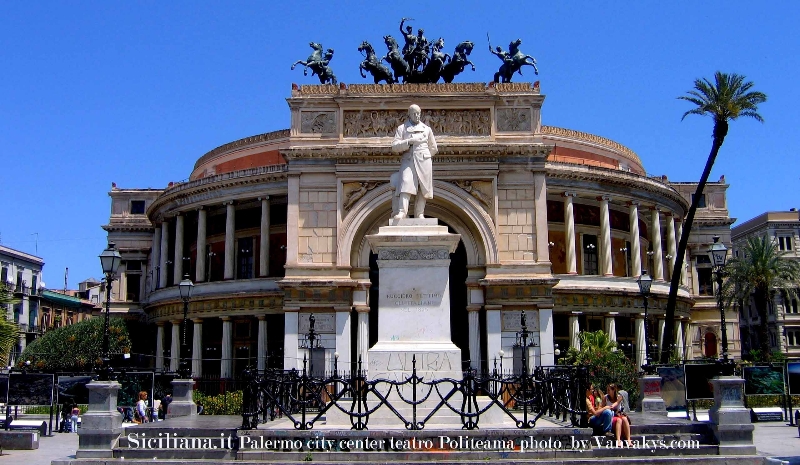
Palermo, Sicilian: Palermu, Latin: Panormus, from Greek: Πάνορμος, Panormos, Arabic: بَلَرْم, Balarm; Phoenician: זִיז, Ziz) is a city in Insular Italy, the capital of both the autonomous region of Sicily and the Province of Palermo. The city is noted for its history, culture, architectureand gastronomy, playing an important role throughout much of its existence; it is over 2,700 years old. Palermo is located in the northwest of the island of Sicily, right by the Gulf of Palermo in the Tyrrhenian Sea.
Palermo city
The City of Port
Palermo (Italian: [paˈlɛrmo] ( listen), Sicilian: Palermu, Latin: Panormus, from Greek: Πάνορμος, Panormos, Arabic: بَلَرْم, Balarm; Phoenician: זִיז, Ziz) is a city in Insular Italy, the capital of both the autonomous region of Sicily and the Province of Palermo. The city is noted for its history, culture, architecture and gastronomy, playing an important role throughout much of its existence; it is over 2,700 years old. Palermo is located in the northwest of the island of Sicily, right by the Gulf of Palermo in the Tyrrhenian Sea.
The city was founded by the Phoenicians, but named by the Ancient Greeks as Panoremus meaning ‘always fit for landing in.‘ Palermo became part of the Roman Republic, the Roman Empire and eventually part of the Byzantine Empire, for over a thousand years. From 827 to 1071 it was under Arab rule during the Emirate of Sicily when it first became a capital. Following the Norman reconquest, Palermo became capital of a new kingdom (from 1130 to 1816), the Kingdom of Sicily under Roger II the Norman . Eventually it would be united with the Kingdom of Naples to form The Two Sicilies until the Italian unification of 1860.
Palermo the oldest melting pot
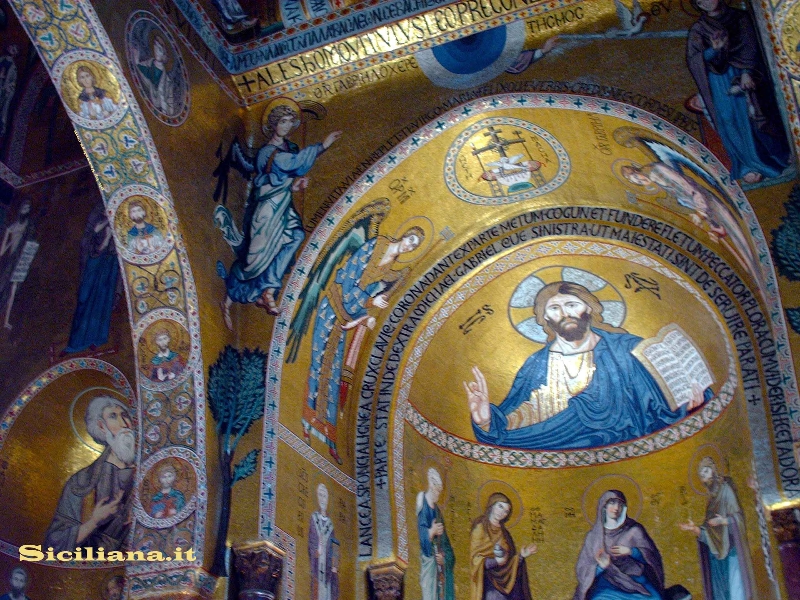
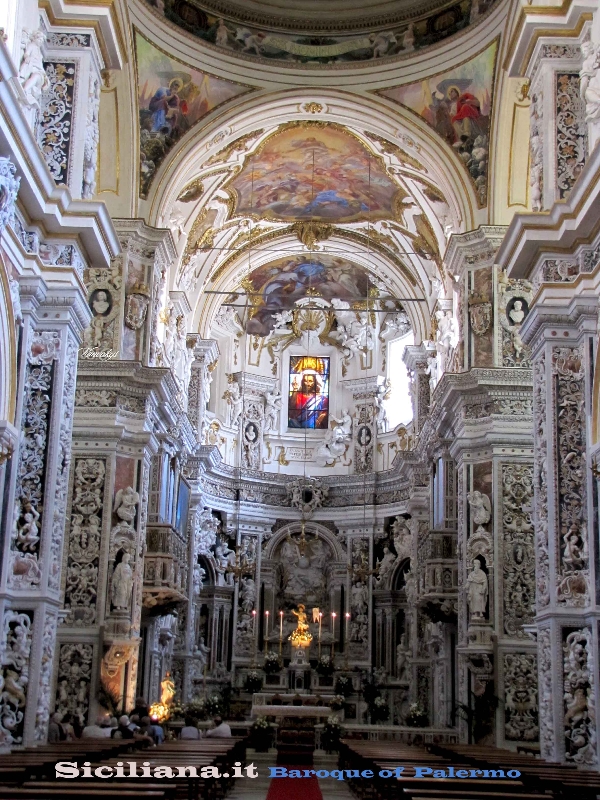
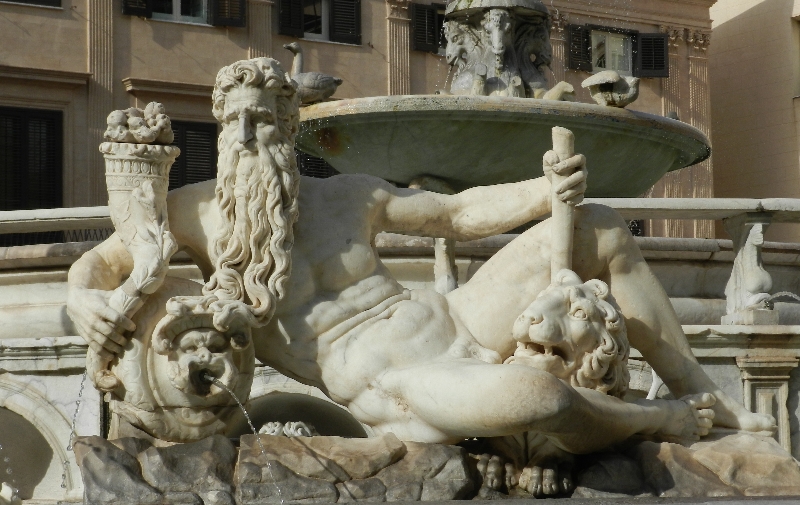
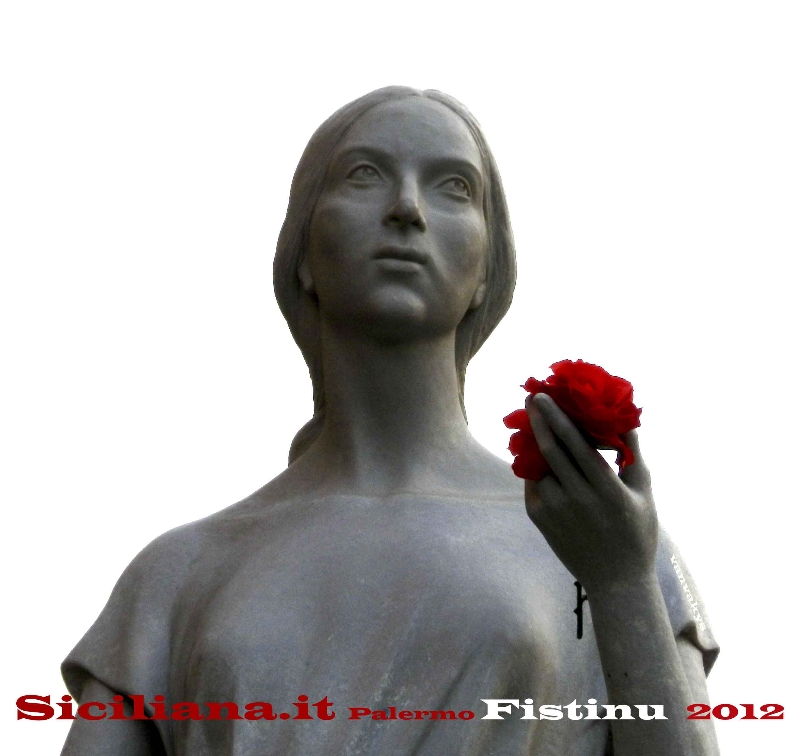
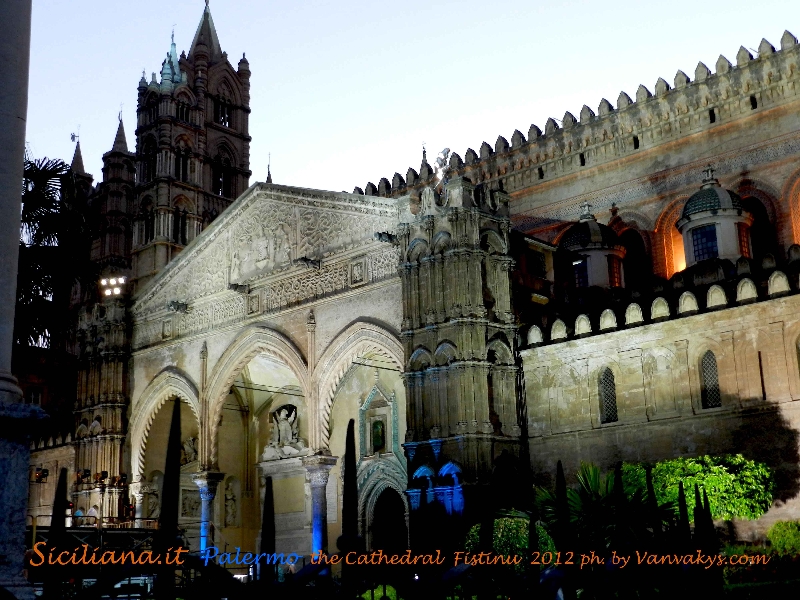
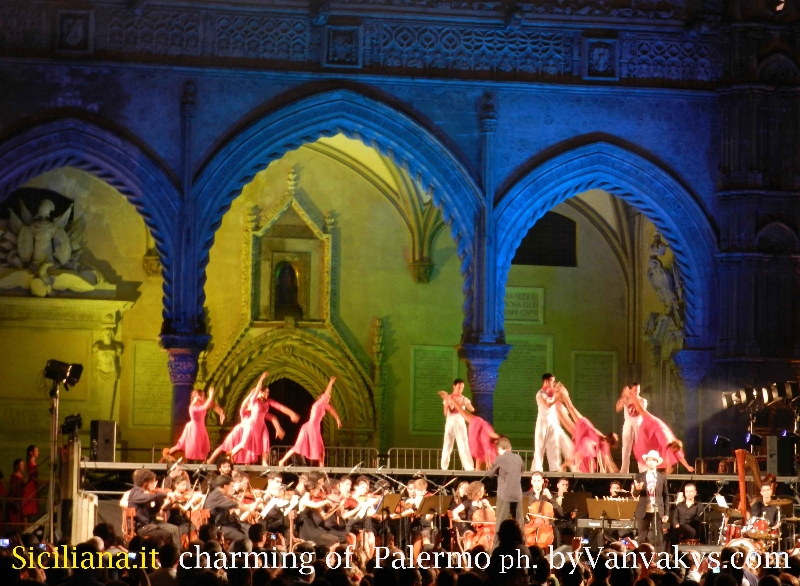
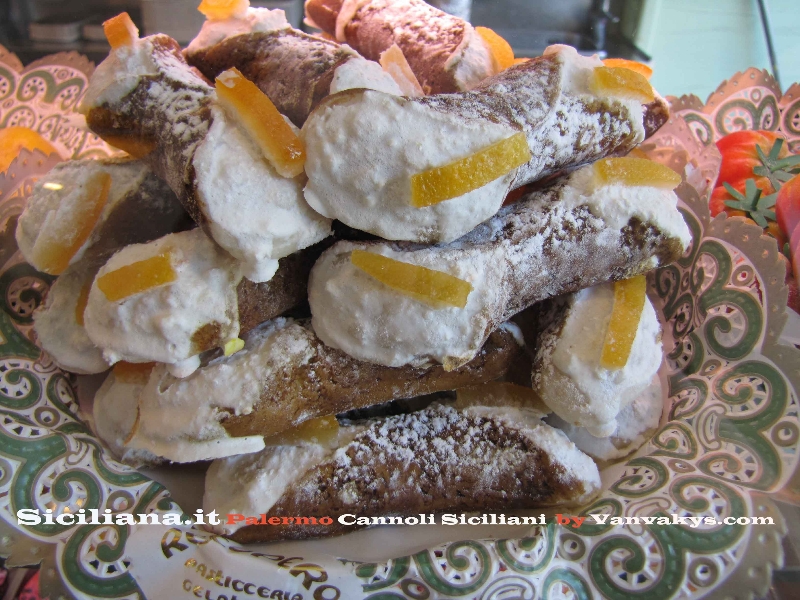
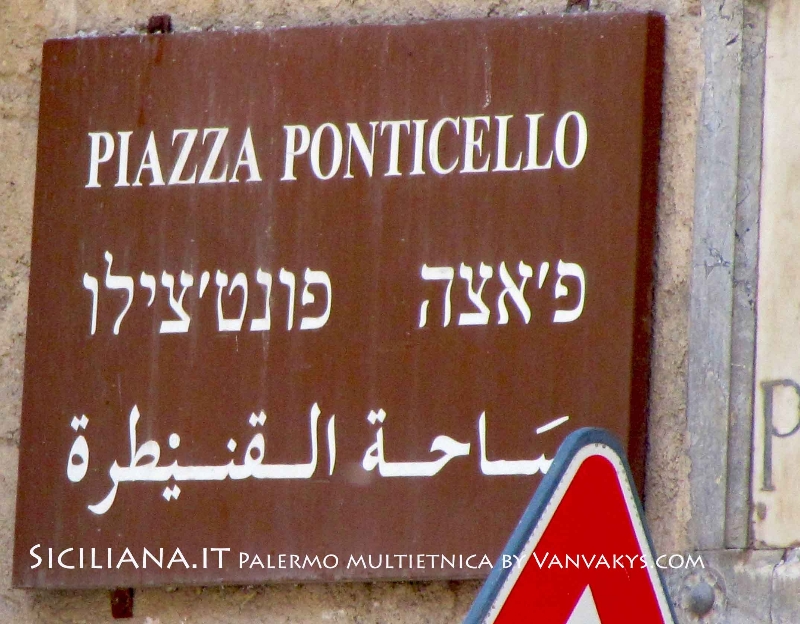
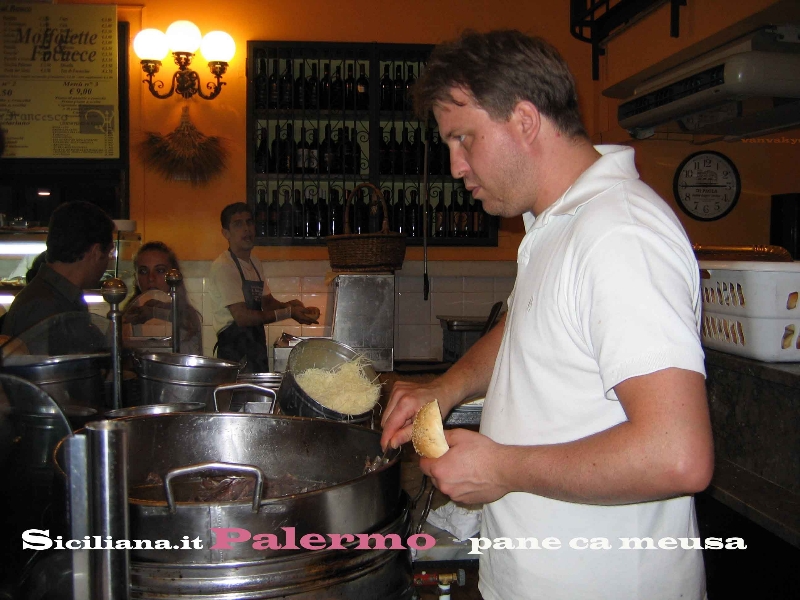
The population of Palermo urban area is estimated by Eurostat to be 855,285, while its metropolitan area is the fifth most populated in Italy with around 1.2 million people. In the central area, the city has a population of around 650,000 people. The inhabitants are known as Palermitani or, poetically, panormiti: due to the different dominations and migration flows during the centuries can be considered a multi-ethnical city. The languages spoken by its inhabitants are the Italian language, mostly for business and at school, and the Sicilian language, in its Palermitan variation, within family and friends.Palermo is Sicily’s cultural, political and tourist capital. It is a city rich in history, culture, art, music and food. Numerous tourists are attracted to the city for its good Mediterranean weather, its renowned unique gastronomy, restaurants and street food, its Romanesque, Gothic, Arab–Norman, Byzantine, Baroque churches and monuments, palaces and buildings, and its nightlife and music.
Main industrial sectors include tourism, services, commerce and agriculture. Palermo currently has an international airport (Falcone e Borsellino), and a significant underground economy. In fact, for cultural, artistic and economic reasons, Palermo was one of the largest cities in the Mediterranean and is now among the top tourist destinations in both Italy and Europe. The city is also going through careful redevelopment, preparing to become one of the major cities of the Euro-Mediterranean area
Roman Catholicism is highly important in Palermitan culture. The patron saint of the city is Saint Rosalia. Her feast day on July 15, “U’ Fistinu” is perhaps the biggest social event in the city. The area attracts significant numbers of tourists each year and is widely known for its colourful fruit, vegetable and fish markets at the heart of Palermo, known as ‘A Vucciria, U Capo, Ballaro’. from Wikipedia edited by Vanvakys
Read more about Siciliana Itineraries and Vacation in Sicily
Related links: Siciliana Cities, Santa Rosalia Feast, Gastronomy, Itineraries Stories, CiaoPics.com, MySicily.com, Recipes
Palermo’s Province Towns:
- Bagheria
- Bisaquino
- Castebuono
- Corleone
- Villabate